Raytheon UK redefines marine engineering training at HMS Sultan
The Selborne programme's 10th service transition is underway, with increased enhancements for the Royal Navy.
Raytheon UK has begun integrating HMS Sultan’s facilities into the Selborne programme – a 12-year contract awarded to the Capita consortium Team Fisher in 2021 to transform the Royal Navy’s shore-based training.
Known as SCD-10, this 10th service commencement date will involve Raytheon UK managing over 3,200 pieces of equipment and providing training design, Agile methodologies and enhanced media services for over 200 Marine Engineering Training Group, or METG, courses at HMS Sultan.
“The introduction of Agile methodologies and enhanced media services is set to redefine training delivery, placing the learner at the centre of the experience. This marks a pivotal evolution in marine engineering training in preparing them for the complexities of modern naval operations warfare,” said Tim Currass, former senior programme manager, now the programme director leading a training solution for the Royal Navy’s future Dreadnought Class submarines.
Cutting-edge capabilities
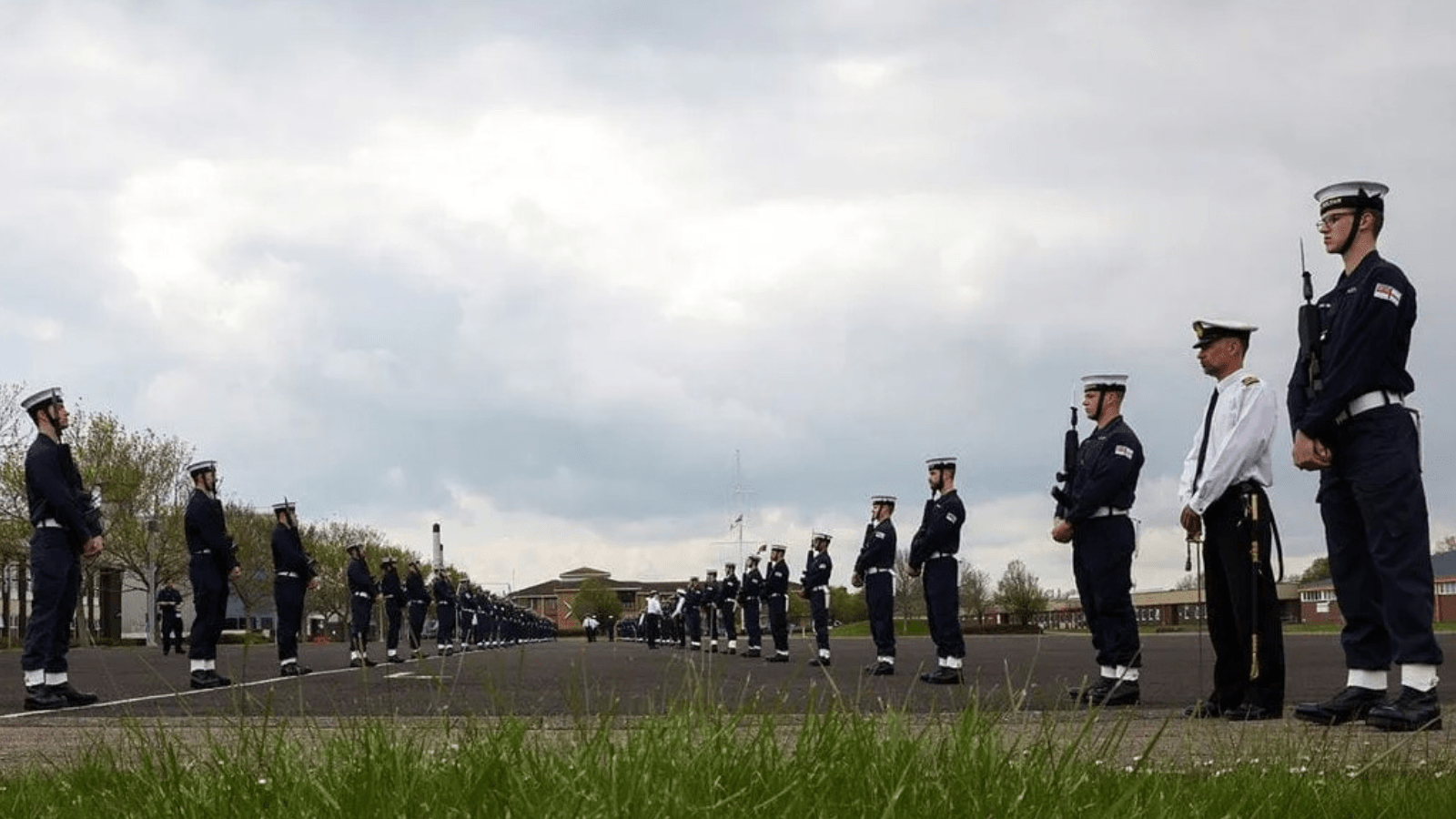
HMS Sultan is the cornerstone of marine engineering expertise for the Royal Navy. Whilst Raytheon UK has previously embedded and managed large pieces of kit and equipment into the contract, SCD-10 is a step-change.
“Under Selborne, we look after over 600 training courses and more than 20,000 items of training equipment, ranging from large simulators and synthetic trainers to shackles and eye plates. Bringing HMS Sultan into Selborne is much more than managing equipment and courses,” said Currass. “It’s about preparing personnel for the complexities of modern naval warfare and ensuring that the training provided is not only comprehensive but also adaptable to the customer’s evolving operational needs.”
“The transition is not only a logistical achievement but a strategic enhancement of the Royal Navy’s operational capabilities. We are bringing an entire naval school into Selborne and managing all the training equipment and courses within it,” said Currass.
It’s also the first transition to be incorporated into the Selbourne programme, which wasn’t predicted on contract award. This underscores the Royal Navy’s confidence in Team Fisher and in Raytheon UK itself.
By the numbers:
- 170 new team members
- 3,200 pieces of equipment managed
- 200 courses supported
The services provided as part of the Selborne contract are designed to enhance the Royal Navy’s operational capabilities and ensure the highest standards of training for its personnel.
Integration of HMS Sultan involves the onboarding of new teams dedicated to training design, media, and equipment management. These teams are tasked with maintaining and modernising course content, ensuring training remains relevant and effective. Their expertise in handling a diverse range of equipment, from diesel engines to advanced simulators, is crucial in delivering comprehensive training.
“The personnel within METG are a key component of the Royal Navy’s day-to-day operations, so their training needs are of the utmost importance” said Gillian Dowds, head of Training Transformation, Raytheon UK. “By collaborating with the Royal Navy and our Team Fisher consortium, we will equip marine engineering personnel with the critical training and support services that they need to ensure that the UK’s warships remain readily available.”
David Hook, managing director at Capita Defence, emphasised the strategic importance of the transition: “We are delighted to be welcoming a significant number of colleagues into the Team Fisher family, thus strengthening our partnership with the Royal Navy and expanding our role in delivering critical training services that contribute to national preparedness.”
Collaborative efforts for operational excellence
In the wider Selborne programme at the start of Epoch 2 in April 2024, Raytheon UK has seen a change in delivery methodology for Team Fisher to Agile ways of working.
In March, the Epoch 2 Training Design workstream developed the Type 23 Frigate Virtual Operations Room, or VOR, to enhance training within the Warfare Training Delivery Unit. The team collaborated with warfare personnel to identify training solutions and captured 360-degree imagery onboard. This media was developed into interactive training material and integrated with the Defence Learning Environment.
The resulting VOR allows trainees to explore onboard environments virtually, offering an alternative to lengthy ship visits for classroom or independent study.
Royal Navy Petty Officer, Above Water Tactical, Chris Oldland said: “The integration of [the] Virtual Operations Room into the warfare training environment has enhanced the Above Water Tactical training experience to a new level. The VOR offers a dynamic and immersive training environment that simulates real-world operations rooms over three classes of ship – Type 23, Type 45 and Queen Elizabeth Class. This will be used to give our students a way to make delivered lessons relatable by providing a visual representation of certain subjects or pieces of equipment...Future virtual environment opportunities are also being explored, and the Training Delivery team is excited about delivering this initiative.”
The collaboration between Raytheon UK, Capita, and the Royal Navy aims to set a new standard in military training, blending traditional expertise with innovative technologies to create a robust training framework that meets the demands of modern warfare.
“Integration is a complex endeavour but is a testament to our capabilities and collaborative efforts with the Team Fisher consortium,” said Isobelle Doughty, former Selborne programme manager, now a programme manager for new business within Training Transformation Services.
Future-ready training enhancements
Looking forward, Raytheon UK is laying the groundwork for potential future integration of AI technologies to further enhance military naval efficiency and readiness.
“Our approach is designed to equip the Navy with the most cutting-edge solutions needed to excel in dynamic environments,” Doughty said. “With the integration of new media and Agile learning methods, we’re not just modernising training; we’re transforming it.
As the integration of HMS Sultan progresses, the SCD-10 highlights Raytheon UK’s critical role in maintaining the operational efficiency, innovation, and technological advancement of the UK's naval forces.
“This is just the beginning,” said Currass. “We’re excited to see the impact of our efforts on the Navy’s operational capabilities, and we’re proud to be a part of this transformative journey that ensures the Royal Navy remains a global, modern, and future-ready force.”